Narrated by Dr. David Kulber, Co-Founder & President, OhanaOne
When I first travelled to Northern Uganda last year, I expected a brief exploratory visit. Instead, I discovered a community overflowing with resilience, dedication, and a hunger to learn, qualities that transformed a small scouting trip into a long-term partnership. This March, our OhanaOne team returned to Moyo and Lacor Hospitals alongside our partners at Pipeline Worldwide, reaffirming the incredible potential of collaborative global surgery.
How the Journey Began
My connection to Uganda began with former Cedars-Sinai COO Jeff Smith, who now partners with Pipeline Worldwide, a remarkable organisation committed to strengthening infrastructure in underserved communities. Pipeline Worldwide had already been working in Moyo and Lacor hospital, helping equip them with critical orthopaedic tools, including the SIGN fracture system.
Through these conversations, the idea formed: bring OhanaOne’s mission: training, mentorship, and surgical support via technology to meet the needs of these facilities. Last year, we made our first trip, and to our surprise, it became an intense week of more than 40 surgeries and non-stop collaboration. “The staff were warm, skilled, and incredibly committed. I knew we’d be coming back.”
A Team United by Purpose
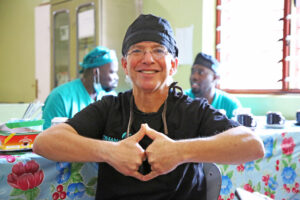
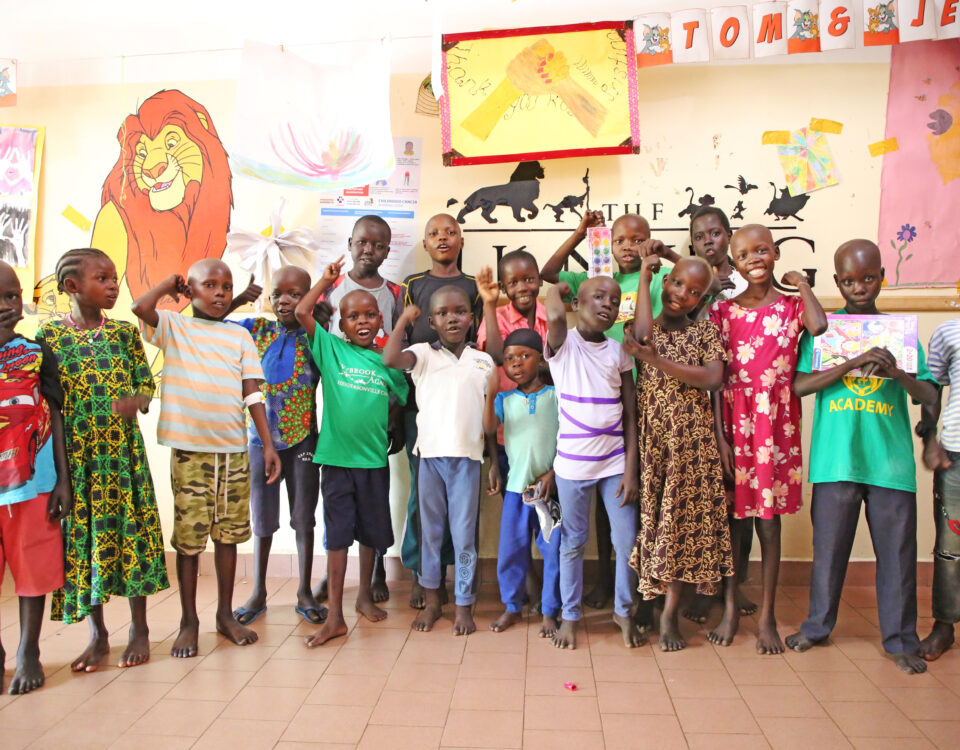
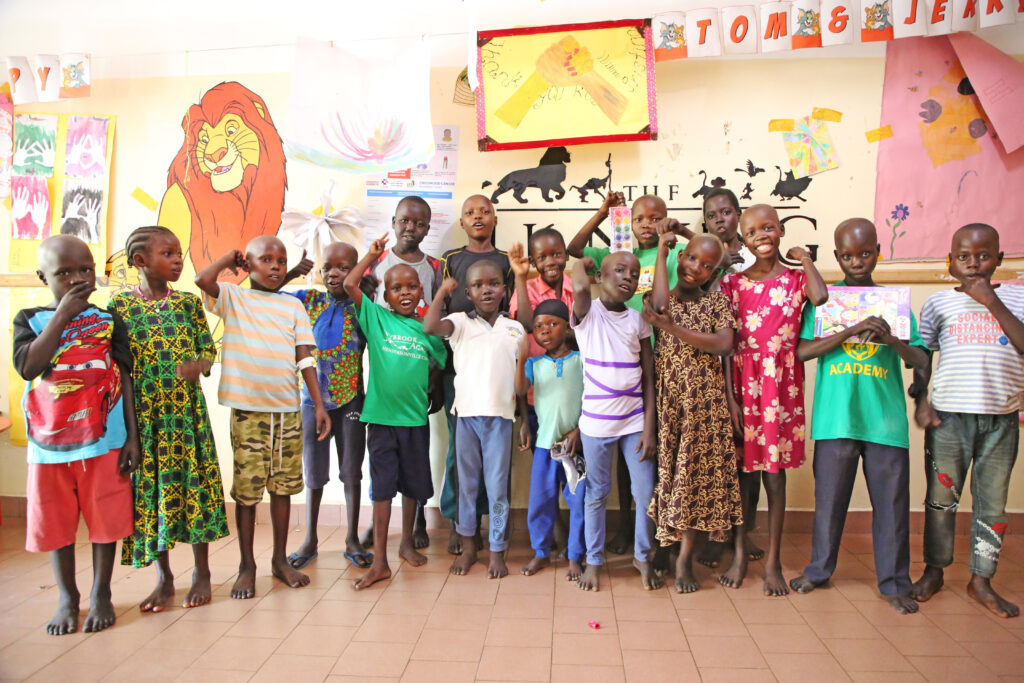
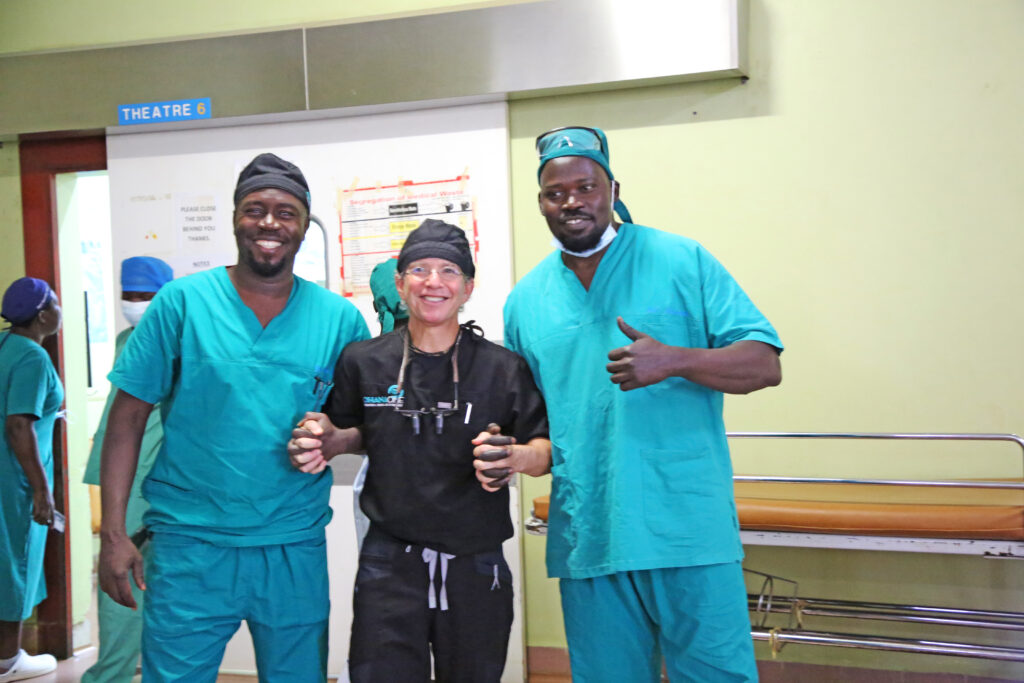
Dr. David Kulber showing us the “double shaka ” symbol, which means empowerment and connection
This year, our multidisciplinary team included surgeons, a physician assistant, anesthesiologists, operating room nurses, burn-care educators, a physical and occupational therapist, and technologists, each playing a crucial role.
Pipeline and OhanaOne joined forces again, supported by experts like Peter Ronoh from Kenya, who kept everything from ventilators to smart surgical glasses running smoothly, and Ken Cobbs, who ensured we had the equipment needed for complex fracture and hand cases. Moreover, having a visiting surgeon from Norway, Dr. Heath Hound, added to the spirit of collaboration.
The Need: Life-Changing Surgery for Children and Adults
Many patients here have waited years, sometimes nearly a decade, for surgery. Most are children living with the aftermath of severe burns, trauma, or congenital deformities:
- Burn contractures that fuse fingers into the palm, elbows to the chest, or feet so tightly that walking becomes nearly impossible.
- Scarring of the face that prevents a child from chewing, closing their eyes, or smiling.
- Mismanaged fractures, tumours, and congenital hand differences like syndactyly.
- Acute burns in infants require rapid, coordinated surgical care.
These surgeries are not cosmetic. They determine whether a child can walk, write, eat, or live independently.
Long Days, Limitless Commitment
Unlike many resource-limited settings where staffing restricts surgical volume, this hospital is a place of extraordinary dedication. Last year, we operated past midnight each day, and staff remained joyful and ready. This year was the same. We performed 8–10 surgeries daily, often several procedures on the same patient.
Even on Sunday, supposedly a rest day, every nurse, anaesthesia provider, and resident came in willingly because they knew how many patients were waiting.
Empowerment Through Technology: The Smart Glasses That Saved a Leg
One of the most powerful stories from this partnership began with a young girl whose leg was nearly amputated. After a car accident, all the bones in her leg were exposed, and the orthopaedic team felt they had no other option.
Before they proceeded, Dr. David Nyeko, head of surgery and a truly remarkable human being, called me.
He said, “I’ve never done a flap like this. Can we save her leg?”
Using OhanaOne’s smart surgical glasses, he put them on, and from Los Angeles, I could literally see through his eyes. Step by step, I guided him through the flap procedure.
And he did it.
He saved her leg.
That one moment is the essence of OhanaOne: empower one surgeon, and you save dozens of future patients.
Challenges & Creative Solutions: The “Tuk-Tuk Dermatome Rescue”
Midway through this trip, our dermatome, the essential device for harvesting skin grafts, broke during a critical burn case. Every backup skin-harvesting knife in the hospital was also broken.
We were prepared to cancel surgery on a severely burned child.
But we remembered: we had left a dermatome at Moyo Hospital during last year’s trip. So, at sunset, we hired a tuk-tuk driver to make an overnight journey, approximately three hours of rough roads, to retrieve it.
He returned the next morning, triumphant. Because of that effort, the child received surgery that day.
It’s a story that perfectly illustrates the partnership, resourcefulness, and heart of this work.
Transformations: Seeing the Impact One Year Later
One of the most gratifying parts of returning annually is witnessing the long-term impact:
- Children whose feet were reconstructed last year returned walking confidently, now ready for surgery on their other foot.
- A boy whose hand had been fused to his palm came back with full function. His father, a philanthropist from the local NGO Ken Uganda, brought me a beautiful painting and a shirt as thanks.
- Dr. Nyeko’s confidence and capability have grown exponentially; he is now performing cases he’d never been exposed to during his training.
Why This Work Matters
Complex burn surgeries in the U.S. cost tens of thousands of dollars. Here, a child might live an entire life disabled simply because the tools or specialised training aren’t available.
When you restore a child’s ability to walk or use their hands, you’re not just healing the body; you’re giving them independence, dignity, and the ability to contribute to society rather than depend on it. You’re flipping the trajectory of an entire life.
And when you empower local surgeons, you multiply that impact for generations.
More Than Surgery: Supporting Surgeons to Prevent Burnout
One of the quiet truths of global surgery is this: Only another surgeon truly understands what a surgeon goes through.
In resource-limited environments, where equipment breaks, staffing is thin, and complications are more frequent, burnout is a real danger.
My relationship with Dr. Nyeko and others here is not only surgical, it’s emotional support, mentorship, and shared problem-solving. Technology allows us to stay connected throughout the year, review cases, navigate complications, and reinforce that they are not alone.
This is the heart of OhanaOne. In Hawaiian, Ohana means family.
Our symbol, a Double shaka, represents empowerment and connection.
We believe the world becomes better when we treat one another like family.
Looking Ahead
We will be back next year. Pipeline and OhanaOne work beautifully together, and this season offers the ideal climate for travel and surgery. The partnership grows stronger each year, and so does the surgical capacity of this hospital. We’ll bring more equipment, especially a durable dermatome, and continue investing in the training that enables local teams to perform complex surgeries independently.
Because the future of global surgery is not how many patients we operate on, it’s how many surgeons we empower.