Based on an interview with Prof. Roberto Santoro
When the sun rose over Gulu on January 3rd,2026 patients were already waiting. Some had lived for years with swelling in their necks, fatigue, fear, and unanswered questions. Over the days that followed, until the camp ended on January 21st, more than 120 patients were screened, each one carrying a story, a family, and a hope for healing.
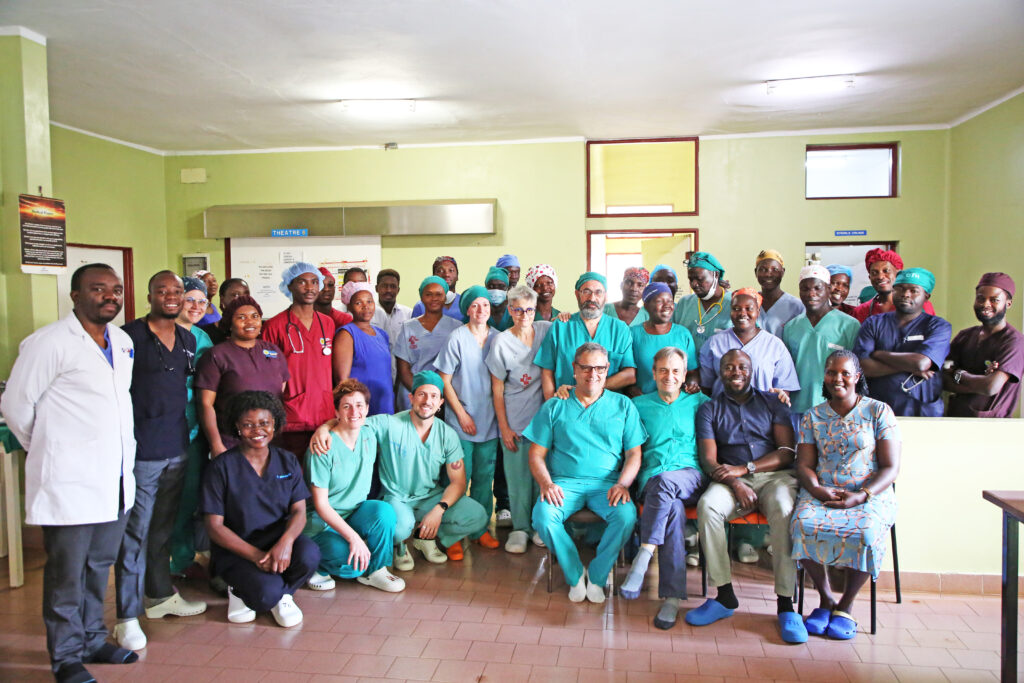
The work began with teamwork. Surgeons from Lacor Hospital worked hand in hand with the visiting surgical team led by Prof. Santoro, from the University of Florence, Italy. They carried out ultrasound scans, blood tests, and physical examinations. Every patient was carefully assessed. This was not rushed medicine, it was thoughtful, deliberate care.
Choosing the Hardest Battles
The surgical camp focused on the most complex and life-threatening thyroid conditions, particularly autoimmune diseases such as Graves’ disease and others. For many patients, surgery was not just an option, it was their only chance to survive.
Before anyone entered the operating theatre, there was time for honest conversation. Patients were carefully counselled and encouraged to first discuss the decision with their relatives. Especially for the procedures which required total removal of the thyroid gland, a life-changing operation.
After surgery, patients must take medication every day for the rest of their lives. Each tablet costs about 1,000 Uganda shillings, a significant expense for many families. Stopping the medication can have devastating consequences, including death or paralysis of the vocal cords. These are the realities which were shared openly, allowing patients to make informed choices about their futures.
Inside the Theatre
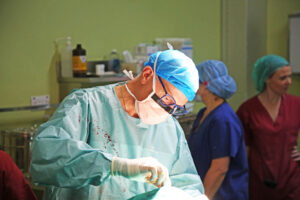 Inside the operating rooms, everything needed for safe surgery was available. Four surgeons, two anesthetists, and a specialist nurse worked with precision and calm, supported by the surgical team from Lacor Hospital.
The camp is part of a long-standing mission which began in 2012, and since then, more than 550 thyroid operations have been successfully performed. The majority of patients treated have been young women between 20 and 40 years of age, reflecting global trends in thyroid disease.
A Bond Beyond Borders
The entire surgical camp is offered free of charge, made possible by generous donors from Italy. Their continued support has saved lives and restored dignity to patients who would otherwise have no access to such specialized care.
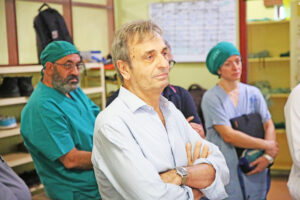
Prof. Roberto Santoro
At the heart of this effort is Professor Santoro, the lead surgeon, who has returned to Gulu annually since 2012. He speaks warmly of the town and its people. He says he enjoys Gulu deeply, not only for the work but for the connection.
Working among the Acholi community, Professor Santoro says, always teaches him something new. The lifestyle, resilience, and humility of the people serve as a powerful reminder that medicine is as much about humanity as it is about skill.
Beyond Surgery
Many of the thyroid conditions seen, especially goitre, are largely caused by iodine deficiency in food and water. The camp therefore also carries an important message: prevention matters. Ensuring adequate iodine intake can protect individuals and communities from avoidable illness. Iodine is an essential mineral the body needs to make thyroid hormones, which control metabolism, growth, and energy levels. When a person does not get enough iodine from food or water, the thyroid gland struggles to produce these hormones.
In response, the thyroid works harder and gradually enlarges in an attempt to capture more iodine from the bloodstream. This enlargement of the thyroid gland is known as goitre.
In many parts of the world, including some regions of Uganda, iodine deficiency remains common due to limited access to iodized salt and iodine-rich foods. Over time, prolonged iodine deficiency can lead not only to visible neck swelling, but also to serious health problems such as heart complications, hormonal imbalance, and, in severe cases, life-threatening thyroid disease.
Until Next Year
The 2026 surgery camp has come to a successful close. The wards are quieter now, but the impact remains, seen in healing scars, steadier heartbeats, and renewed hope. we wait again, until next year.